Marked location
Leak point marked on the floor surface
Acoustic Leak Detection Kearny NJ is how we find water escaping under your slab without tearing up the whole floor. If your water bill jumped, a floor feels warm, or you hear water running when nothing is on, we bring listening equipment and pinpoint the break. We serve homeowners and property managers across Kearny, NJ and Hudson County.

The locate fee covers the full diagnostic visit, not just a listen-and-leave. You get the isolation test, the acoustic sweep, cross-confirmation with a second method, and a marked location with photos. Repair is quoted separately once we know what we are dealing with, and you decide whether to proceed.

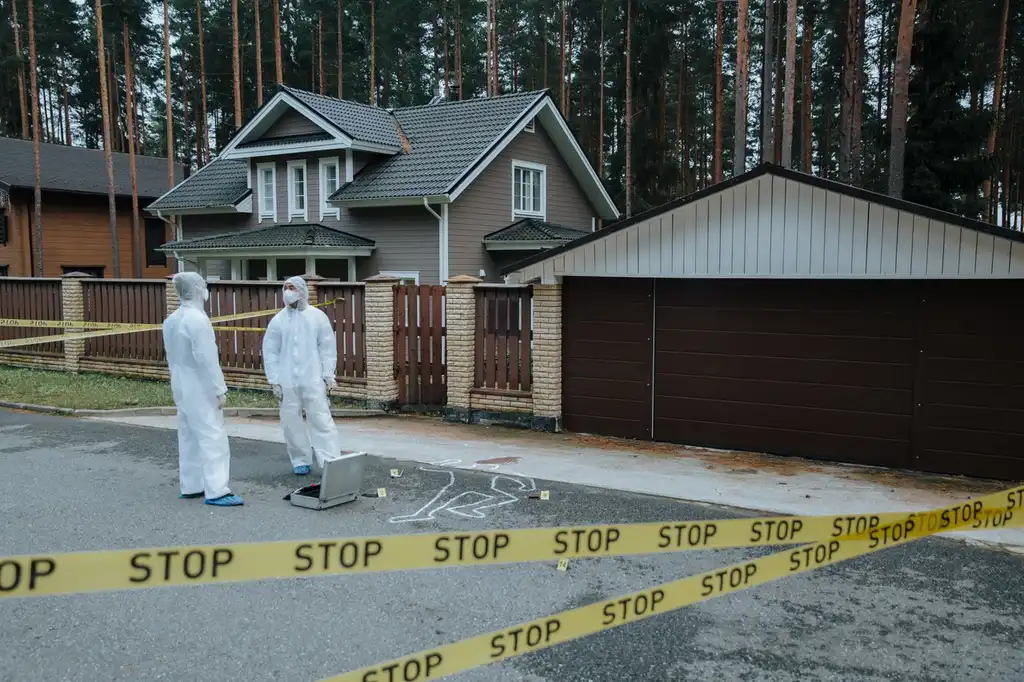
We locate hidden supply leaks under slabs, in walls, and under basement floors for Kearny homeowners and tenants. You get a marked spot and a repair plan before any concrete is opened.
We locate slab and supply leaks for building owners and property managers without shutting down the property. Work is scheduled around tenants and business hours.
Acoustic Leak Detection Kearny NJ is a non-invasive diagnostic service that uses sensitive listening devices to hear the sound of pressurized water escaping a pipe under your slab. Water pushing through a crack or pinhole creates a distinct frequency, and our acoustic listening devices pick it up through concrete, tile, and hardwood. We pair that with pressure testing gauges and moisture meters to confirm the exact spot before anyone cuts a floor. No guessing, no exploratory demolition.
Most Kearny homes were built with copper pipes that are now 60 to 90 years old, and that copper corrodes from the inside out. When a line finally gives, you get a slab leak, a hidden water leak, and a water bill that can double in one billing cycle. If you have been searching for sound leak detection near me Kearny, we can usually schedule a visit the same day and tell you within a couple of hours whether the noise is a supply line, a drain, or groundwater.
We listen first, mark the spot, and only then open the floor.
Every acoustic leak detection job follows the same five steps. You will know what we are doing and why at each one, and you will get a straight answer before we pick up a tool.
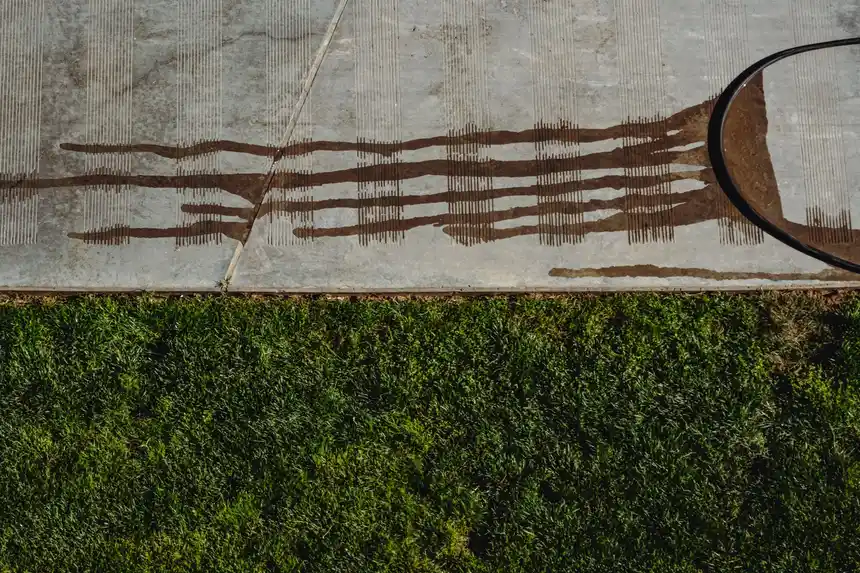
We ask three questions: what is the water bill, is any floor warm, and do you hear water with everything off. That tells us whether this is a supply-side slab leak or a drain issue. Takes five minutes on the phone and saves you a wasted visit.

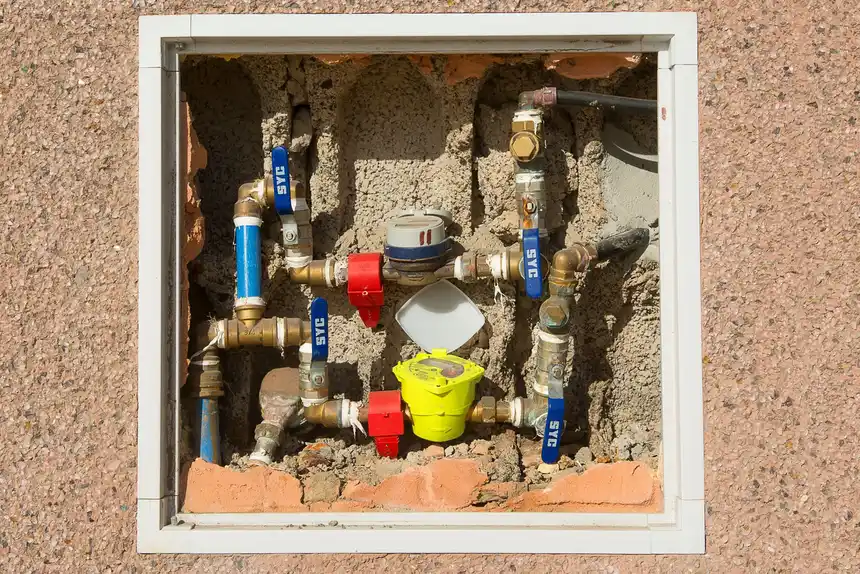
On arrival we shut the main and isolate the supply from the drain system using pressure testing gauges. If the gauge drops with everything closed, the leak is on the pressurized side. This step takes 20 to 30 minutes and rules out irrigation, fixtures, and the water heater.

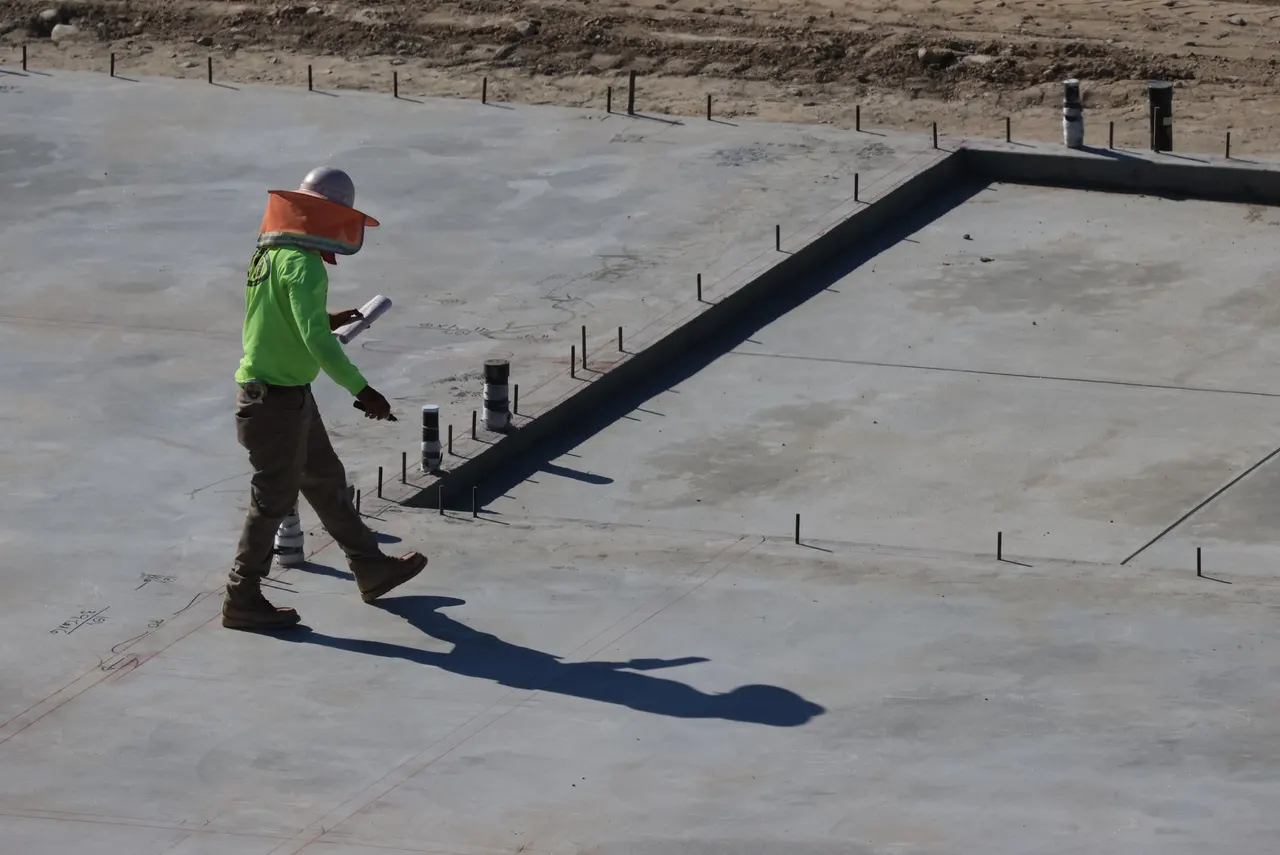
We walk the slab with acoustic listening devices, moving in a grid and marking where the signal peaks. Sewerin and SubSurface Instruments gear lets us filter out traffic noise from Kearny Avenue and focus on the leak frequency. This is the core of the visit, usually 45 to 90 minutes.
We cross-check the acoustic hit with a thermal imaging camera and a moisture meter. When all three agree, we mark the spot with paint and give you a photo of the reading. You see the evidence, not just our word for it.
We lay out the fix: a spot repair with pipe repair clamps and epoxy sealants, a reroute through the attic or walls, or trenchless repair equipment that pulls a new liner through the old pipe. You pick based on budget and how much floor you want opened.
The core tool. We use Sewerin and SubSurface Instruments units to hear the frequency of pressurized water escaping a pipe through concrete, tile, and hardwood.
Flir cameras read surface temperature differences. A warm strip points to a hot-water leak, a cool patch to cold water, and both help confirm the acoustic hit.
We isolate the supply and watch the gauge. A steady drop with everything closed confirms a pressurized leak and rules out fixtures, irrigation, and the water heater.
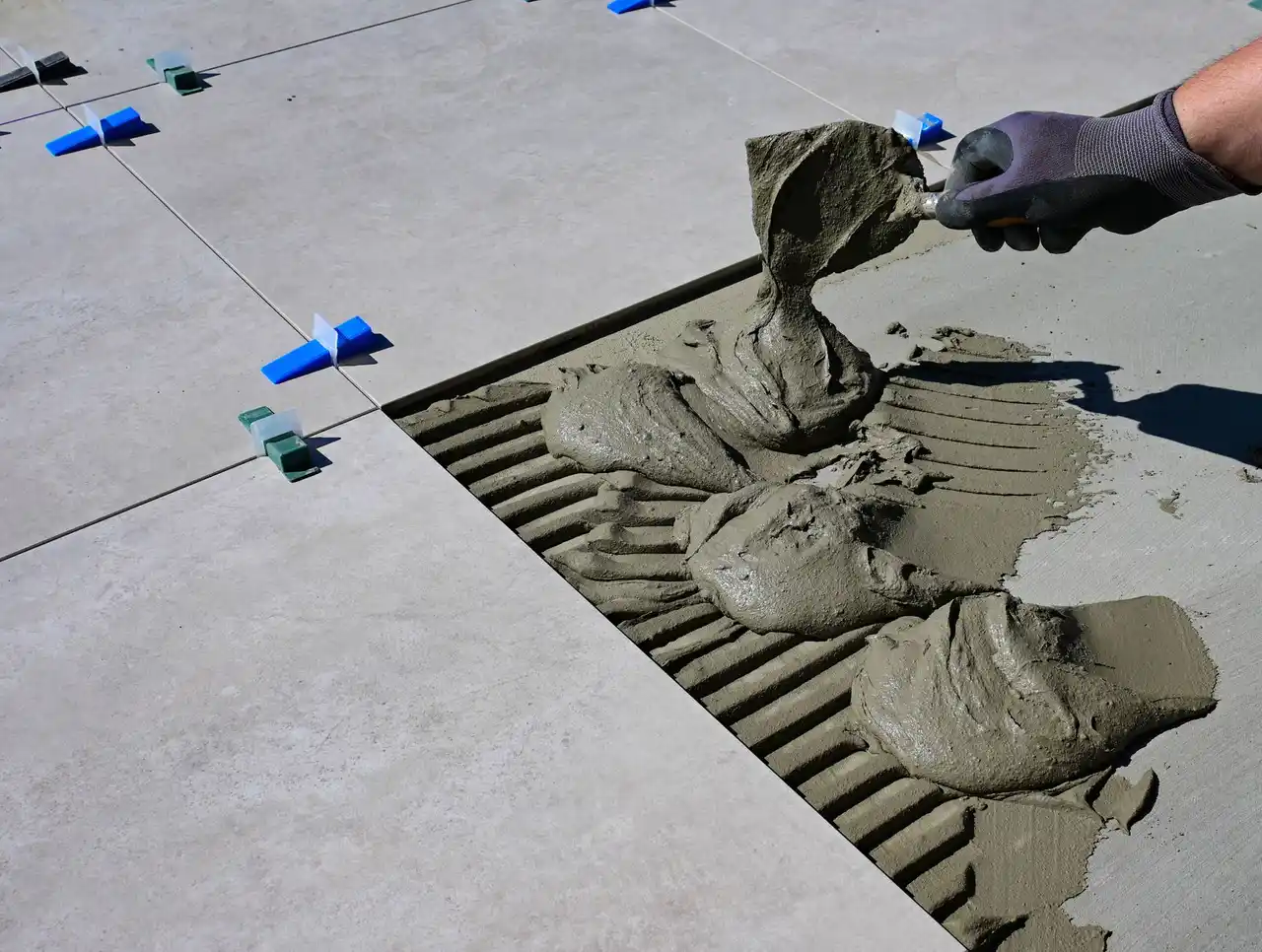
Pin and pinless meters measure water content in concrete and framing. They tell us how far the moisture has spread from the leak point.

We trace the actual run of the pipe so the repair crew knows what is above and below it before opening the floor.
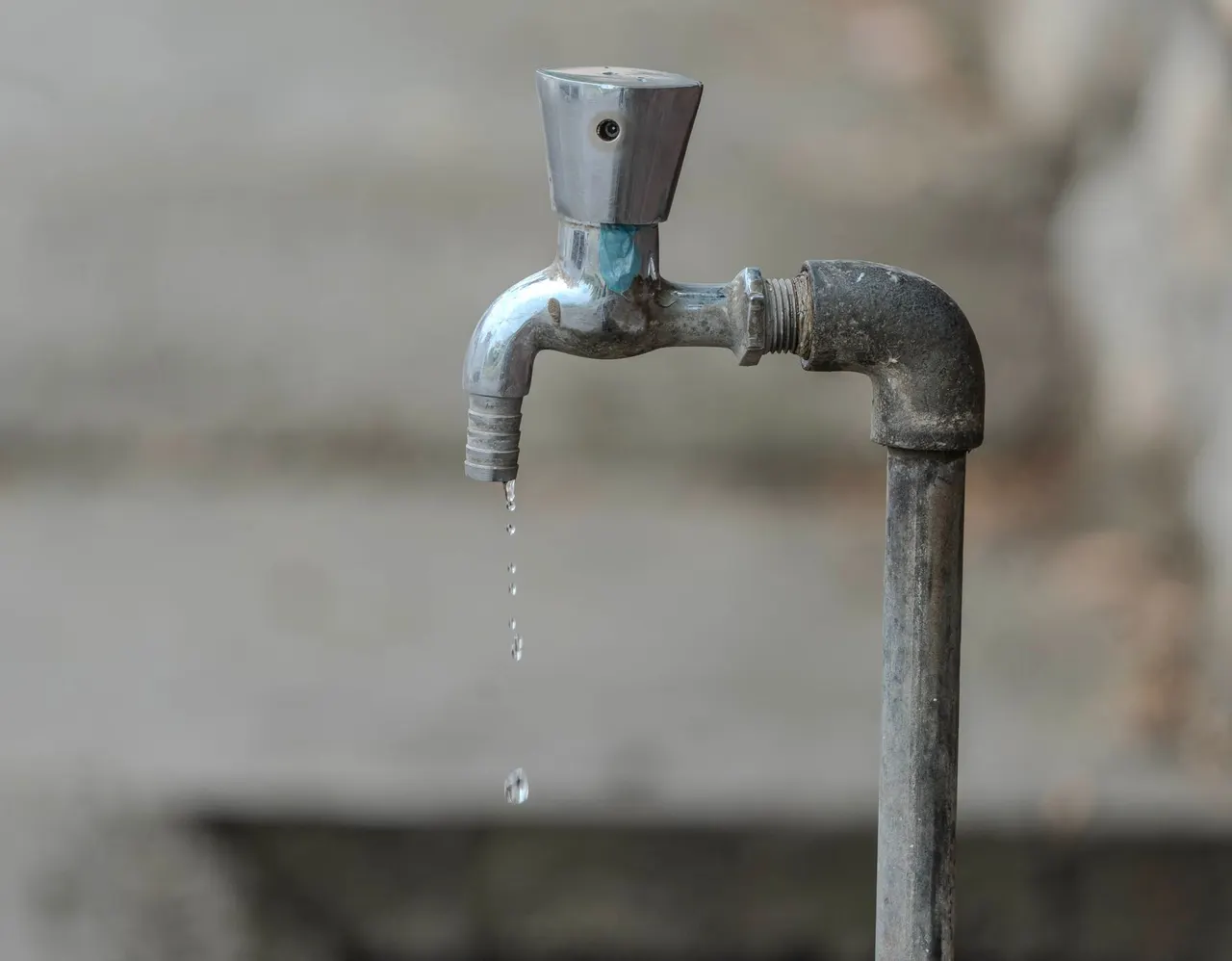
RIDGID and General Pipe Cleaners cameras let us look inside drain lines when the leak is on the waste side rather than the supply side.

We close the main, isolate the fixtures, and pressurize the system. If the gauge holds, the leak is not on the supply side. If it drops, we know we are chasing a pressurized line and the acoustic sweep will be productive.
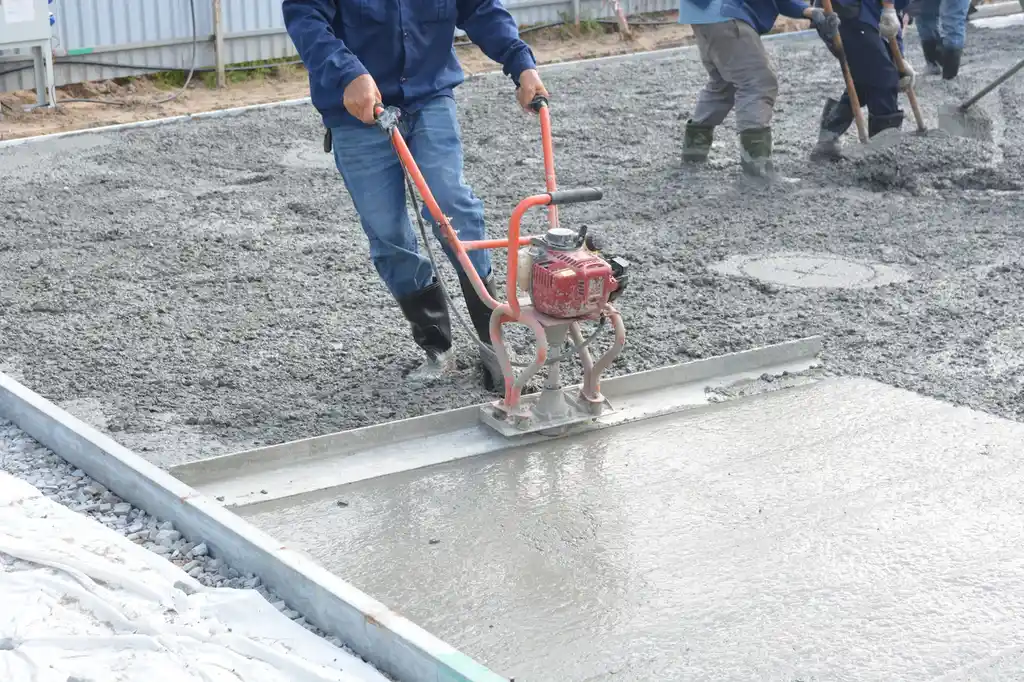
We walk the slab in a set grid, logging signal strength at each point and re-checking the peak from two directions. This filters out reflections off rebar and pipe and narrows the location to within a few inches.
We isolate the supply, confirm the pressure drop, and sweep the kitchen slab with acoustic gear. The hiss traces to a corroded copper line under the sink cabinet. One small access cut, a spot repair, and the next bill back to normal. No full-floor demolition.
We combine acoustic locating with thermal imaging to separate the supply leak from groundwater. The acoustic hit points to a riser base, and the thermal scan confirms it. Targeted repair at the riser instead of opening the whole basement slab. Tenants stay in place.
Thermal imaging flags the hot-water line, and acoustic locating pins the break within a few inches. We quote a reroute through the wall to avoid future slab work. The hot line is rerouted overhead, the warm spot fades, and the slab stays intact.
We pressure-test the supply, then run a full acoustic sweep of the slab-on-grade floor. The leak is under a storage room, away from any drain line. Repair is scheduled after hours so the business does not close, and the bill drops the following cycle.
Kearny sits on a mix of pre-war two-families, post-war ranches, and newer townhouse slabs, and each one behaves differently under acoustic testing. The older homes near the Passaic River were plumbed in copper that is now well past its service life, and that copper corrodes from the inside, so we see a lot of pinhole leaks in hot-water lines. The newer slabs have PEX, which fails differently, usually at a fitting, and the sound signature is quieter. Winter matters here too. When temps drop into the teens, supply lines in exterior walls and under unheated slabs are more likely to crack, and we get a run of calls in January and February. We work to the IAPMO Uniform Plumbing Code and follow NJ Department of Environmental Protection Regulations on any discharge. If you need sound leak detection in Kearny NJ same day, call before noon and we can usually get a technician out that afternoon.
A homeowner in Arlington Manor had a water bill that jumped from $95 to $340 in one quarter. A faint hiss came from the kitchen, and a warm spot had started to form near the sink. Two other plumbers wanted to open the whole kitchen floor.
We isolated the supply, confirmed a pressure drop, and swept the slab acoustically. The leak traced to a pinhole in a hot-water copper line about 14 inches from the cabinet base. We cut one 18-inch square, repaired the line, and pressure-tested it. The next bill came in at $88.
We recommended a pressure test on the rest of the hot-water run, since copper that fails in one spot often fails again. A yearly gauge check catches the next pinhole before it soaks the slab.
A property manager had water wicking up in a basement corner and could not tell if it was a supply leak or groundwater. The building sits close to the river, so groundwater was a real possibility. Opening the whole basement slab would have displaced tenants.
We ran acoustic locating and thermal imaging together. The acoustic hit pointed to a riser base, and the thermal scan showed a warm line running to it. We repaired the riser joint, re-tested under pressure, and patched a 2x2 foot section. Tenants stayed in place.
We marked the riser location on the building's plumbing map so future work does not open the wrong section. An annual pressure check on the riser keeps the joint honest.
A homeowner near Kearny Avenue had a warm strip across the hallway floor that kept growing. The slab was original 1950s concrete, and the hot-water line ran directly under the hall. Repairing in place would have meant opening the full hallway and replacing the flooring.
Acoustic locating pinned the break within a few inches, and thermal imaging confirmed it. Instead of a slab repair, we rerouted the hot-water line through the wall and ceiling. The warm spot faded within a week, and the slab stayed intact.
We insulated the new run and labeled the shutoff for the rerouted line. Checking the shutoff once a year keeps the reroute serviceable without touching the slab again.
Most slab leaks do not announce themselves with a puddle. They show up as a higher bill, a warm floor, or a sound you cannot place. Here are the problems we get called for most often in Kearny.
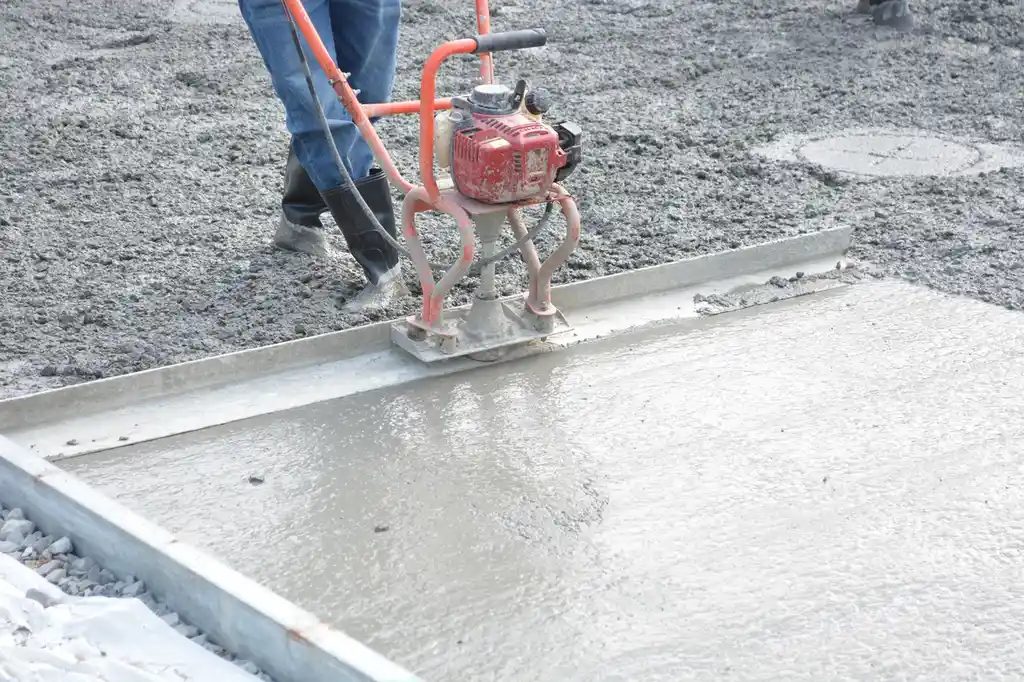
We isolate the supply, sweep the slab acoustically, and pinpoint the break. Most of these turn out to be a pinhole in copper or a failed PEX fitting, and a spot repair closes it the same day. You are paying for water that is soaking into the soil under your house. Left alone, that moisture reaches the foundation and the framing above it.
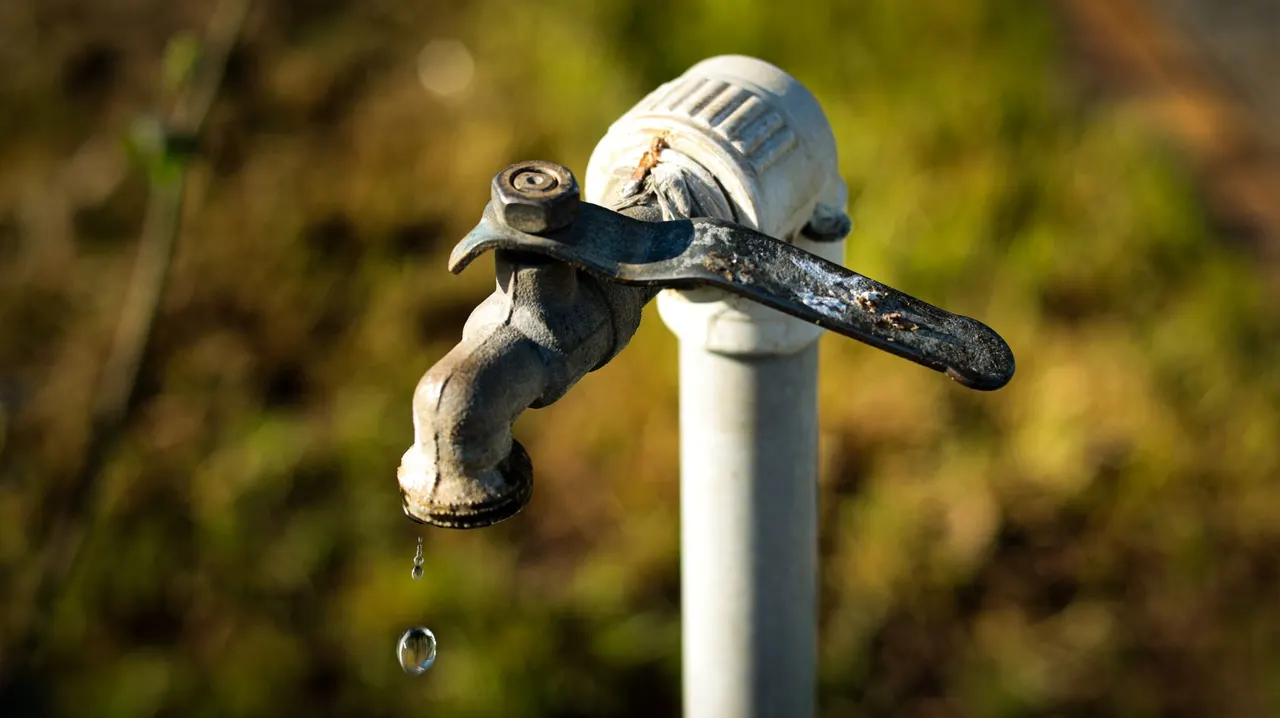
We confirm with a thermal imaging camera, then use acoustic locating to hear the exact break. Once marked, we repair or reroute the hot line and re-test it under pressure before closing the floor. A warm patch usually means a hot-water line is leaking under the slab. The heat loosens tile adhesive and can warp hardwood within a few weeks.

We use acoustic listening devices to trace the sound to its source, even through tile and concrete. You get a marked location and a repair plan in the same visit. That noise is pressurized water escaping a pipe. It will not stop on its own, and the longer it runs, the more soil it moves under the slab.
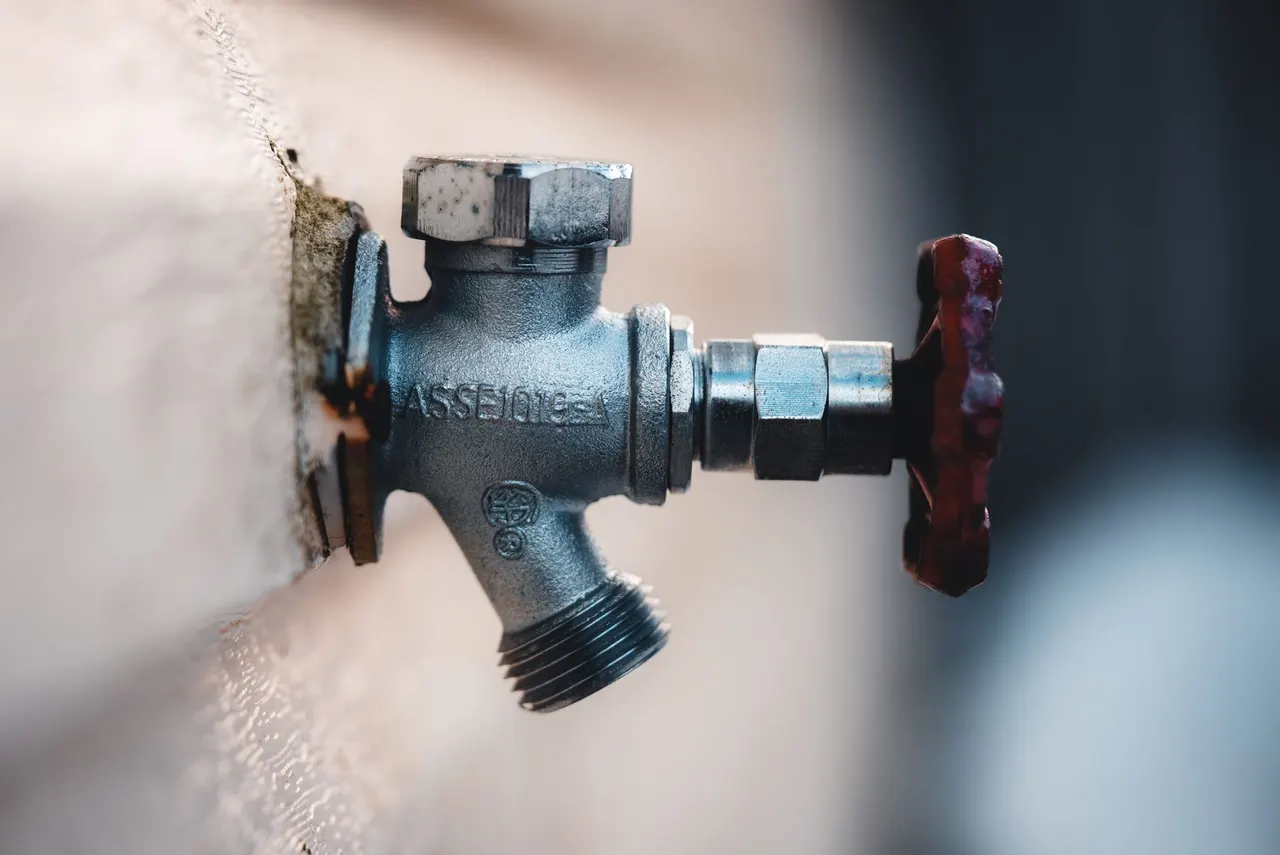
We find and stop the water source first, because patching cracks over a live leak is wasted money. Acoustic locating gets us to the pipe, and the repair stabilizes the soil. Soil shifting under a wet slab moves the foundation. Cracks widen, doors stop latching, and tile pops loose. That is structural damage, not a plumbing nuisance.
We mark the leak within a few inches before any concrete is opened. That means one small access cut instead of jackhammering a whole room. On a typical 12x14 foot slab, precise locating saves 80 to 120 square feet of concrete removal and the flooring that sits on top of it.
A slab leak can waste 2,000 to 10,000 gallons a month. Once we pinpoint and repair the line, most homeowners see their next Kearny water bill drop back to normal. Catching it in the first billing cycle is the difference between a repair and a remodel.
Water under a slab wicks into drywall, baseboards, and carpet pad. Mold growth can start in 24 to 48 hours in a damp crawlspace or basement. Acoustic locating gets us to the source while the damage is still a wet spot, not a remediation job.
Constant moisture under a slab softens soil, and softened soil shifts. That shows up as foundation cracks, sticking doors, and tile that pops loose. Finding the leak early keeps the soil stable and your foundation where it belongs.
Acoustic leak detection in Kearny is priced as a flat locate fee, and typical 2026 pricing runs $250 to $550 depending on slab size, how many fixtures we have to isolate, and whether we need to add thermal imaging or a full pressure test. The locate fee covers the whole diagnostic visit, not just a listen. If you hire us for the repair, we credit part of the locate fee toward the work. Affordable sound leak detection Kearny homeowners can plan for, with the number quoted before we start.
What your estimate is based on
$250 - $550 for the locate, with repair quoted separately A locate costs a fraction of exploratory demolition. One wrong cut can mean $3,000 to $8,000 in concrete, flooring, and finish work. Paying for an accurate locate first is the cheapest part of the whole job.
Clear records you can keep and share.
Leak point marked on the floor surface
Acoustic and thermal images from the visit
Spot repair, reroute, or liner with pricing
Pressurized supply leaks hiss constantly, so the microphone picks them up even when nothing is running. Drain leaks only make noise during use, which makes them harder to pin down with sound alone.
A thin slab-on-grade addition lets sound through clearly. A thick slab with heavy rebar or a thick overlayment muffles the signal, so we add thermal imaging or electronic tracing to confirm the hit.
Traffic, HVAC, and appliances raise the background sound floor and can mask a quiet leak. We schedule sweeps when the building is quiet and filter the listening equipment to the leak frequency.

Outside these areas? Call and ask if we cover your street. +16462099461
Most acoustic locates in Kearny run $250 to $550 in 2026, depending on slab size and how many fixtures we have to isolate. If we have to combine acoustic with thermal imaging or a full pressure test, expect the higher end. We quote the locate fee before we start, and we credit part of it toward the repair if you hire us for the fix.
It is a listening test. We pressurize your plumbing, then use acoustic listening devices to hear the sound of water escaping under the slab. A pinhole in copper or a cracked PEX fitting makes a distinct hiss, and the microphone picks it up through concrete. We grid the floor, mark the loudest point, and confirm it with a moisture meter and thermal camera.
Yes, on pressurized supply lines it is the most accurate non-invasive method we have, often locating a leak within a few inches. It is less reliable on drain lines, which are not under pressure, and on slabs with heavy rebar or thick overlayment. In those cases we add electronic leak detection or a thermal scan to confirm the acoustic hit.
It finds hidden supply leaks under slabs, in walls, and under basement floors. If you have a warm floor, a spiking water bill, or the sound of running water with everything shut off, that is exactly the scenario acoustic locating is built for. We can usually tell you within two hours whether the leak is under the slab or somewhere else.
If your water bill jumped or a floor feels warm, do not wait for the next billing cycle. Call us, describe what you are hearing, and we will get a technician out to locate the leak and give you a repair price. State-licensed plumbing contractor, flat locate fee, and we fix what we find.
Call us at +16462099461 and we will ask a few questions about your water bill, your floor, and any sounds you hear. Most calls get a same-day visit. We serve Kearny and the surrounding Hudson County area, and we are open Monday through Friday from 8 a.m. to 6 p.m.